
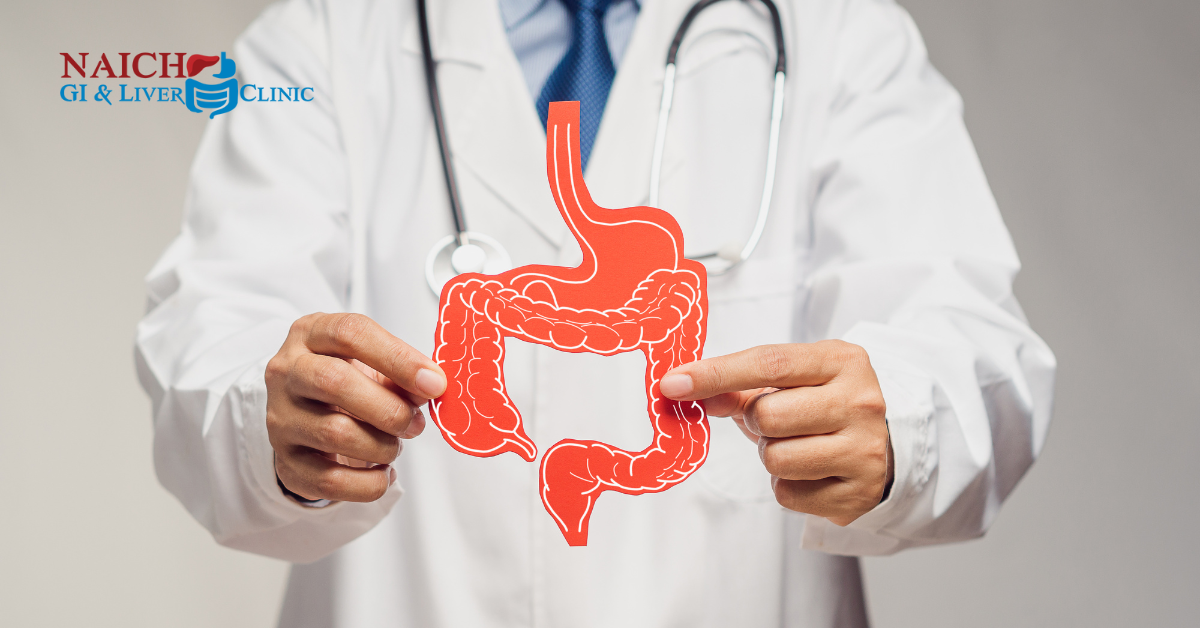
Inflammation of the colon is a common medical condition, known in medical parlance as colitis. This condition occurs when the tissues inside the colon become irritated, infected, or inflamed. If not treated on time, the problem can worsen and lead to complications. Therefore, it is important to understand its causes and symptoms.
Causes of inflammation of the colon
- Bacterial Infection
The colon is often infected with bacteria such as E. coli, Salmonella or Shigella. This is most often caused by consuming contaminated food or water.
- Viral or Parasitic Infection
Some viruses and parasites can also infect the intestines and cause inflammation, especially in people with weakened immune systems.
- Contaminated or spoiled food
Improperly cooked or stored food, especially street food or stale food, can cause food poisoning, which causes inflammation in the colon.
- Side effects of medications
Excessive use of certain antibiotics or painkillers can also affect the natural bacteria in the intestines and cause inflammation.
- Food allergies or lactose intolerance
Some people cannot digest milk or its products. This can cause gas, pain and bloating.
- Chronic Intestinal Diseases
Crohn’s Disease
Ulcerative Colitis
Both of these diseases cause long-term inflammation.
- Stress
Although not directly related, stress can worsen symptoms by disrupting the intestinal system.
Symptoms of colon inflammation
In the case of inflammation of the colon, the body gives several clear signals, the most prominent of which are abdominal pain and cramps, which are mostly felt in the lower abdomen. This is accompanied by persistent diarrhea, in which the stool is thin or watery and has to be passed several times a day. Sometimes, the infection also causes a fever, which can be mild or severe. Inflammation also affects the stomach, causing frequent complaints of vomiting or nausea. Gas accumulation in the intestines causes the stomach to swell and causes a feeling of heaviness or pressure. If the inflammation is severe, blood may also be present in the stool. Over time, weight loss begins due to poor digestion of food and loss of appetite, while persistent diarrhea causes a severe lack of water and salts in the body, as a result of which the patient feels very weak and tired.
Precautions and home remedies
- Drinking clean water
- Avoiding spicy, fried and contaminated food
- Consuming curd or lassi (if not lactose intolerant)
- Eating boiled or bland food
- Drinking ORS to avoid dehydration